
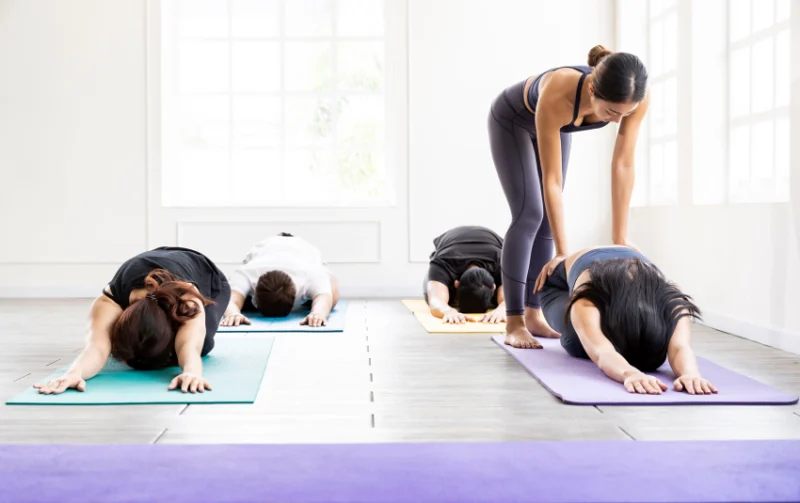
Skin discomfort during exercise is often blamed on sweat alone. In reality, irritation usually develops through a combination of moisture, heat, clothing pressure, repeated rubbing and skincare products. A private session can make these patterns easier to discuss because the pace, props and environment can be adjusted for one person.
During private yoga classes singapore, skin comfort should be considered alongside movement goals, particularly in a humid climate. The answer is not to prevent normal sweating or use harsh cleansing. Practical clothing, clean equipment, gentle skincare and early attention to friction points provide a more sustainable approach.
Sweat Has a Cooling Function
Sweat is part of temperature regulation. It is not proof that the skin is dirty or releasing toxins.
Problems may appear when sweat remains trapped against the skin or mixes with oil, makeup and repeated friction. Individual skin conditions and product use also affect the response.
Singapore Humidity Changes Evaporation
High humidity reduces how readily sweat evaporates. A practitioner may remain damp even during a moderate session.
The journey to the studio can contribute as well. Arriving already sweaty from walking outdoors changes the skin’s starting condition before movement begins.
Friction Creates Local Problems
Skin can rub against skin, clothing, mat edges or straps. Repetition may cause redness, tenderness, chafing or acne-like bumps.
Common areas include the thighs, underarms, waist, bra line and shoulders. The exact location often points towards the clothing seam or movement creating the problem.
Private Instruction Can Identify the Trigger
A one-to-one teacher can observe whether a waistband rolls, a strap moves or a repeated transition presses the same area.
This is not a dermatological diagnosis. It is a practical way to adjust movement, props or clothing contact while persistent symptoms are assessed appropriately.
Clothing Fit Matters More Than Tightness
Very loose clothing may bunch, while extremely tight clothing can trap moisture and create pressure. A close but comfortable fit often reduces movement of the fabric.
The practitioner should test squatting, reaching and folding before class. Seams that feel harmless while standing may rub once the hips and shoulders move repeatedly.
Fabric Choice Affects Moisture
Moisture-managing material can move sweat away from the skin and dry faster than heavy absorbent clothing. No fabric works perfectly for everyone.
Sensitive skin may react to texture, dye or detergent residue. A familiar garment is preferable when testing a new sequence or skincare routine.
Seams and Hardware Need Attention
Raised seams, zips, labels and hard fasteners can press into the body during floor work. A mat-based pose may place body weight directly over a detail that felt unimportant earlier.
Smooth construction and strategic seam placement improve comfort. Objects should be removed from pockets before practice.
Repeated Contact Can Affect Acne-Prone Skin
Heat, sweat and rubbing can contribute to breakouts in areas covered by clothing. This is sometimes described as acne mechanica.
Changing the source of friction is as important as cleansing. Treating the skin while continuing the same rubbing pattern may produce limited improvement.
Clean Activewear Is Important
Rewearing damp or unwashed clothing places old sweat, oil and residue back against the skin. Freshly washed clothing creates a more predictable starting point.
Detergent should be rinsed properly. Strong fragrance or excess product can irritate some people, especially when heat and moisture increase skin contact.
Makeup Can Mix with Sweat
Foundation and heavy cosmetics may combine with sweat and oil. Acne-prone practitioners may prefer to remove them gently before class.
Oil-free or non-comedogenic products can be useful, but labels do not guarantee individual tolerance. A mild routine is easier to assess than several new products at once.
Towels Should Pat Rather Than Rub
Rubbing sweat repeatedly can increase irritation. A clean towel used to pat the skin gently is more appropriate.
The face towel should remain separate from towels used on the floor or equipment. Personal towels should be washed after each session.
Props Need Appropriate Cleaning
Mats, blocks, straps and bolsters contact skin and clothing. They should be cleaned according to material and provider procedures.
Harsh disinfectant should not be applied directly to the body. Residue on equipment should also be considered if irritation appears at repeated contact points.
Mat Texture Can Affect Hands and Feet
A very rough surface may increase grip while irritating skin during sliding transitions. A slick damp mat can cause the practitioner to grip harder.
A suitable mat towel or change in movement speed may help. Grip should not be improved by forcing the skin against an abrasive surface.
Props Can Reduce Pressure and Rubbing
A folded blanket can soften a contact point at the knee or elbow. Blocks can change the angle so clothing does not repeatedly drag across the mat.
These adjustments preserve the exercise objective while reducing irritation. Private sessions provide time to test them without delaying a group.
Clean Skin Does Not Need Aggressive Scrubbing
Hot water, rough loofahs and strong cleansers can damage the skin barrier. Feeling tight or burning after washing is not evidence of superior cleanliness.
Lukewarm water and a mild cleanser may be more comfortable. People using prescribed acne or eczema treatments should follow professional guidance.
Change Out of Damp Clothing Promptly
Remaining in sweaty activewear extends heat, moisture and friction. Changing after class is particularly useful when the journey home is long.
If a full shower is not immediately available, clean dry clothing can reduce contact until normal washing is possible.
Moisturiser Can Support Comfort
Frequent cleansing and air conditioning can leave skin dry even in humid weather. A suitable moisturiser may support the skin barrier.
Fragrance-free and non-comedogenic options may suit sensitive or acne-prone skin. Individual response and dermatological advice remain important.
Anti-Chafing Products Need Careful Testing
Barrier products may reduce friction in recurring areas. They should be compatible with the person’s skin and not make hands or feet dangerously slippery.
Testing a small amount before a lower-pressure session is wiser than applying a new product widely. The instructor should know if residue could transfer to shared equipment.
Skin Conditions Need Individual Planning
Eczema, psoriasis, hidradenitis suppurativa, folliculitis and other conditions may respond differently to heat, sweat and friction. A general article cannot prescribe a routine.
A dermatologist can advise on treatment, clothing and exercise modifications. Painful swelling, pus, spreading redness or systemic symptoms deserve medical care.
Open Skin Requires Caution
Cuts, blisters and broken skin should be protected appropriately. Shared equipment and heavy sweating may increase irritation or contamination risk.
The session may need modification or postponement depending on the area and severity. An open wound should not be hidden simply to preserve the appointment.
Personalisation Should Remain Simple
At Yoga Edition, practitioners can discuss relevant comfort concerns during a one-to-one session and test changes to props, contact points or movement pathways. Bringing clean clothing and a personal towel supports the process.
Skin comfort usually improves through small practical adjustments rather than an elaborate product routine. When sweat, fabric and friction are managed together, the practitioner can focus more fully on movement. Persistent skin problems still belong with an appropriate medical professional.
Frequently Asked Questions
Does sweat cause skin irritation?
Sweat may contribute when combined with friction, trapped moisture, products or sensitive skin, but it is not the only factor.
What clothing is best for humid yoga sessions?
Choose clean, breathable clothing with a comfortable fit and smooth seams. Individual skin and texture preferences vary.
Should I scrub after a sweaty class?
No. Gentle cleansing is usually preferable because aggressive scrubbing can worsen irritation and damage the skin barrier.
Can props reduce chafing?
Yes. Blankets, blocks or adjusted movement pathways can reduce pressure and repeated rubbing at specific contact points.
Why do bumps appear under tight activewear?
Heat, moisture and friction can irritate follicles or contribute to acne-like breakouts. Persistent symptoms need proper assessment.
When should I see a dermatologist?
Seek advice for recurring rashes, painful swelling, pus, spreading redness, severe irritation or symptoms that do not improve.
